
Amyotrophic Lateral Sclerosis (ALS) is a disease characterized by an unrelenting progression, systematically eroding a person’s ability to move, speak, and breathe. This devastating diagnosis initiates an immediate and profound disruption, demanding an extraordinary financial and emotional response from patients and their families. When faced with this crisis, the necessary assistive equipment and technology, often costing upwards of thousands of dollars, can feel insurmountably out of reach. It is at this intersection of urgent need and significant barrier that the ALS Society of British Columbia steps in, offering not merely devices, but the profound gift of retained independence.
Established in 1981 by a pioneering group including Dr. Andrew Eisen, patients, and family members, the Society was founded on the fundamental principle that individuals should never face this disease alone. Today, this foundational commitment is expressed through the Robert R. Heinrich Equipment Loan Program, an essential lifeline that provides free equipment to registered patients across BC and the Yukon.
Beyond Mobility: Reclaiming the Essentials of Life
While the loss of physical mobility is often the most visible effect of ALS, heartbreak also lies in the gradual silencing of the individual. When the muscles required for speech falter, the connection to loved ones, the ability to express a need, or to tell a story hangs in the balance.
A dedicated communication device acts as a digital voice, a faithful conduit for the person’s thoughts and personality. Without this essential piece of equipment, a person might retreat into silence, unable to participate in conversation, to share a laugh, or to communicate a critical health concern. The Equipment Loan Program ensures that this essential connection, this ability to remain a participating member of the family and community, is never severed simply due to financial strain.
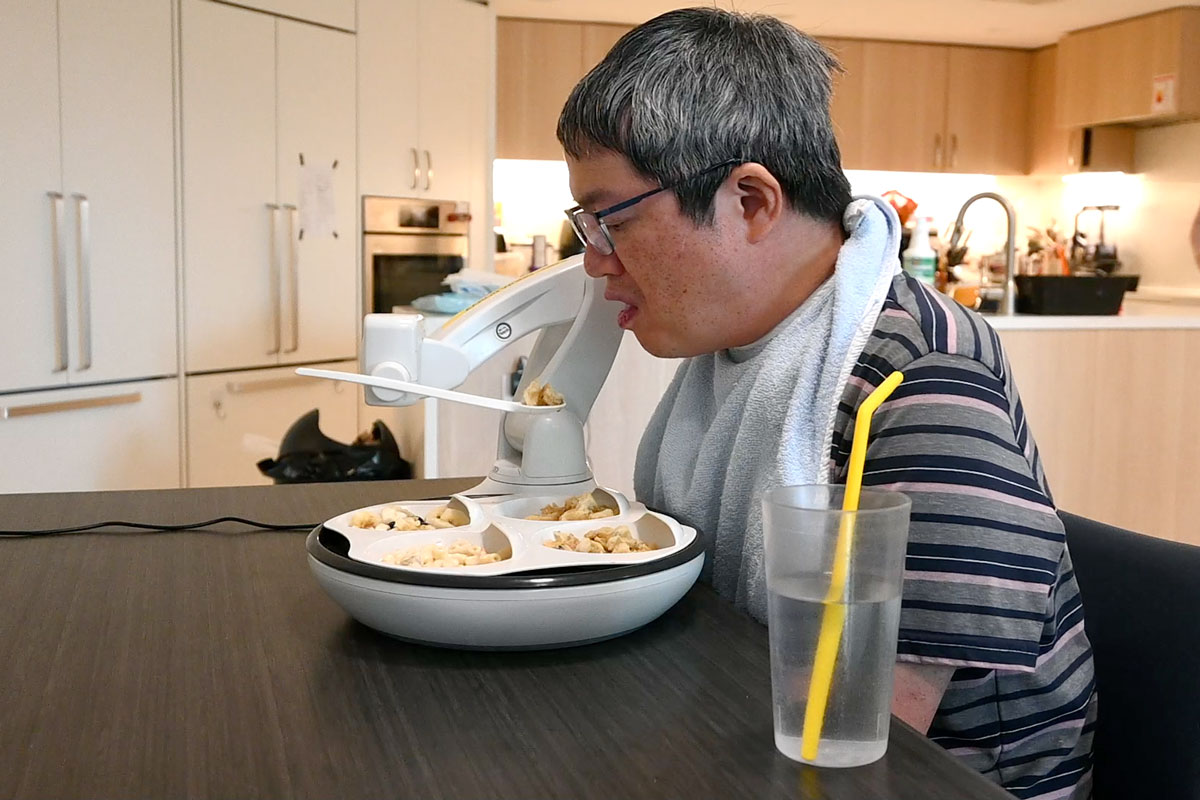
Similarly, consider the seemingly simple act of eating. As ALS progresses, the ability to lift a fork or spoon becomes impossible. However, the introduction of advanced robotic feeding devices enables individuals to independently manage their meals, restoring a vital element of human dignity. This technology transforms a moment that could be one of dependency into one of cherished autonomy, granting individuals control over a fundamental necessity.
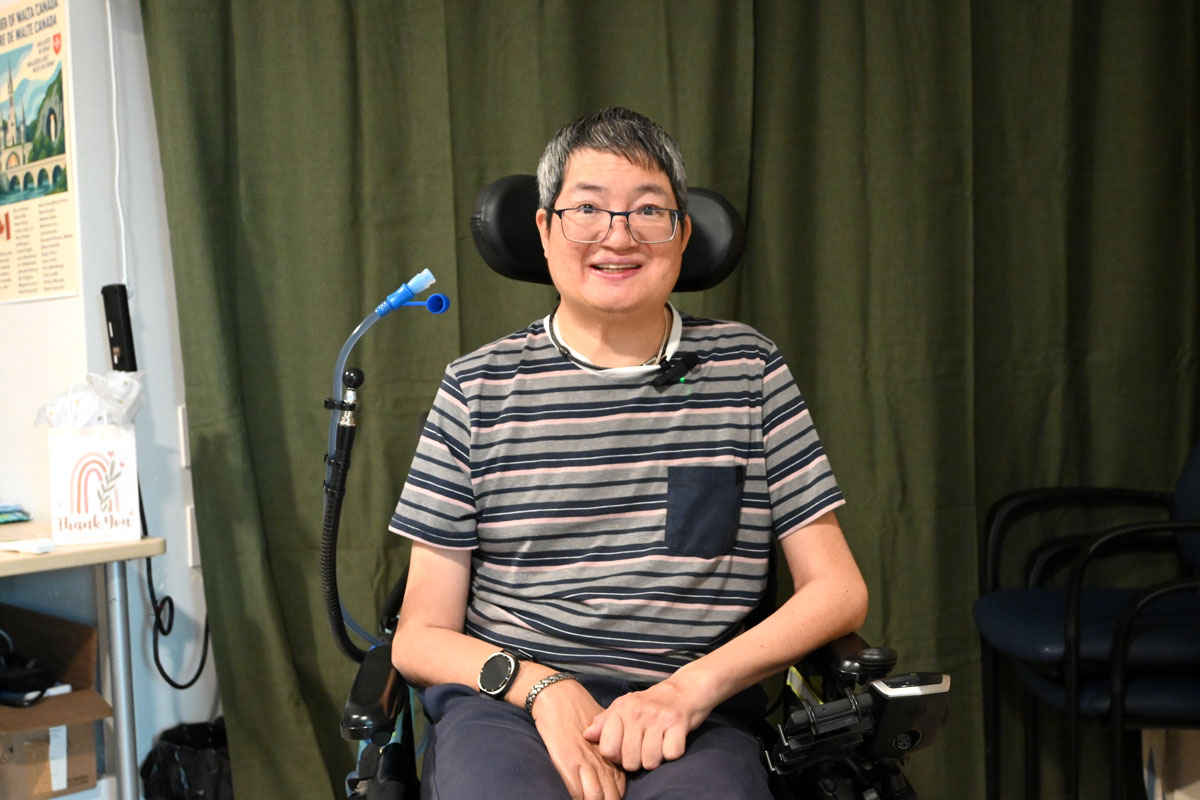
The equipment also tackles the monumental challenges of physical safety and transportation. Power wheelchairs, specialized mattresses, and patient lifts provide more than just movement; they allow a person to get out of bed, to transfer safely, and to leave their home. A power chair enables a person to attend their child’s graduation; a lift protects a person from the back strain of manually caring for a loved one. These items are the scaffolding that supports quality of life.
The Tangible Scale of Support: Impact in 2024
The scope and scale of this commitment are compellingly reflected in our most recent ALS Society of BC’s 2024 Annual Report; the need for these devices remains profound. In that year alone, the program had 2,015 deliveries of equipment to patients and families across the province.
This astonishing figure underscores the logistical complexity and sheer volume of the program, which requires continuous repair, maintenance, and delivery. Furthermore, Programs & Services, which encompasses this vital loan program, accounted for 62% of the Society’s total program spending in 2024, demonstrating the Society’s unwavering prioritization of direct, frontline patient support.
The success of the Equipment Loan Program is a testament to the generosity of donors and the relentless dedication of staff. Every time a power lift is installed, every time a patient accesses a communication device, the ALS Society of BC is reaffirming its promise: to reduce the immense financial and emotional burden of ALS, ensuring that those living with the disease can focus on living their lives, fully and with dignity. By providing the tools that restore function, the Society ensures that the person remains heard, visible, and central.